How Drive to Survive Changed Formula 1
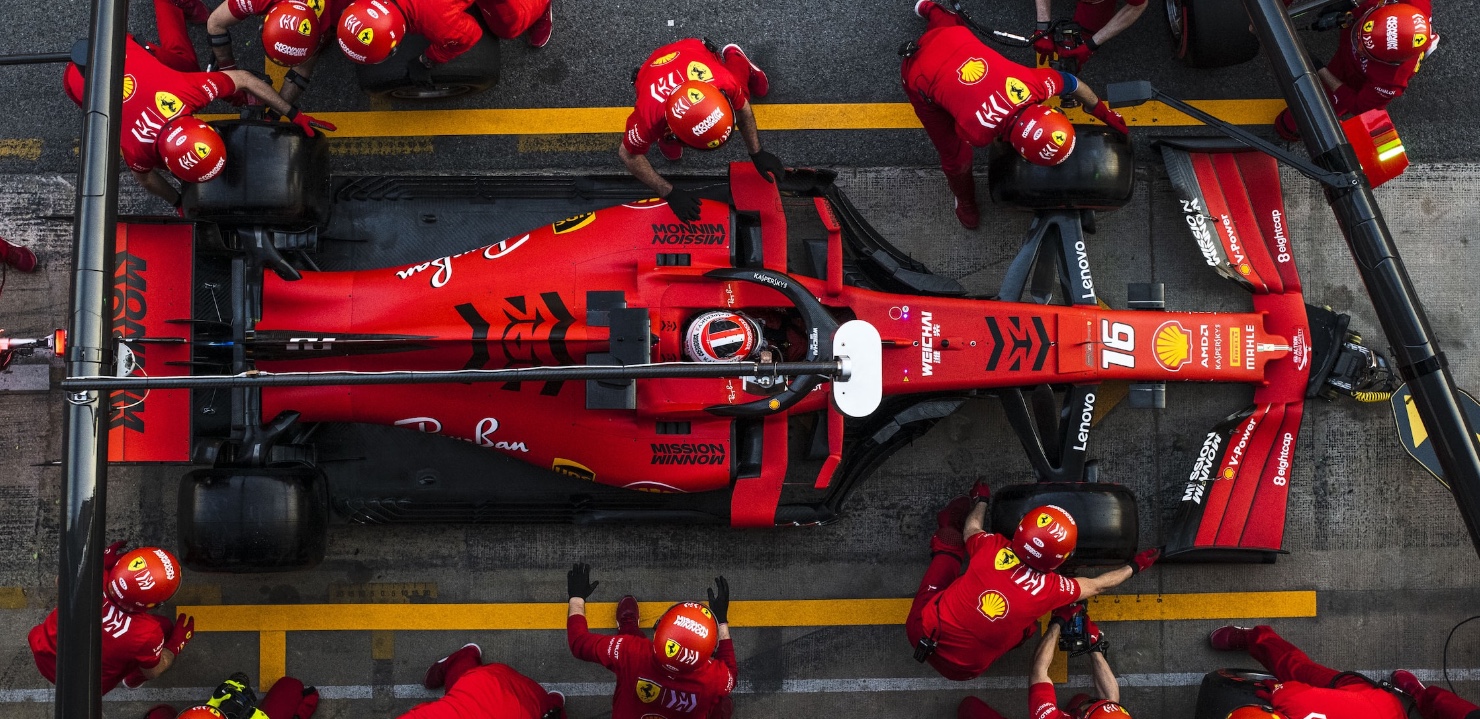
Photo: Gustavo Campos / Unsplash
To understand the impact of Drive to Survive, it helps to remember what Liberty Media bought at the end of 2016. Over four years, Formula 1’s global audience had fallen by 22%, while the business had lost about $1 billion in value. Other sports leagues were booming at the time.
What Liberty Media was buying
Formula 1 was losing viewers and value while other sports leagues were booming.
- Global audience
- 500m 390m
- −22% over four years
- Business valuation
- $9bn $8bn
- −$1bn by the Liberty Media deal
Formula 1 needed an American audience
One of the new owners’ first tasks was solving the “American problem.” In Europe, F1 had long been popular and attractive to major advertisers. In the United States, it remained a niche sport. Liberty Media set out to turn F1 into a media business: it invested more heavily in social media, launched an esports league, and a year later signed a documentary deal with Netflix.
The Netflix deal did not create much excitement at first. Many people inside Formula 1 considered it a strange idea. Mercedes and Ferrari, two of the most popular teams, refused to participate in filming. That ended up helping the show: instead of focusing only on the leaders, the creators had to introduce viewers to teams and drivers across the grid.
Why Drive to Survive worked
Box to Box Films built the series around characters and conflict. Actual racing accounts for less than 20% of the screen time; the rest introduces viewers to the teams, drivers, and their relationships.
Formula 1 runs two championships at once: the drivers’ championship and the constructors’ championship between teams. That gives every season several natural storylines, including team rivalries, clashes between owners and team principals, and competition between teammates.
Teammate rivalry is especially useful. Out of 20 F1 drivers, only a teammate drives the same car, making it the cleanest comparison of driver skill the sport can offer.
Some drivers, including Max Verstappen, criticized Drive to Survive for excessive dramatization. But that format made Formula 1 legible to people who had never followed it before.
What changed after the first season
After the premiere, Formula 1’s American audience grew by 40%. Record television audiences and attendance followed, along with two more U.S. races and a higher valuation for the business itself.
The audience grew, two U.S. races were added, and Formula 1 became more valuable
- American audience
- +40%
- Grands Prix among F1’s most-watched races in four years
- 7
- spectators at the record-setting race in Austin
- 400,000
- U.S. races: Miami in 2022 and Las Vegas in 2023
- +2
- Formula 1 valuation in three years: +63%
- $8bn $13bn
The series was not Liberty Media’s only project: the company was also expanding Formula 1’s social media presence and its esports league. But Drive to Survive gave a new audience a clear way into a complex championship through people and conflict rather than technical regulations.